


The Crucial Role of Post-Surgery Nutrition: Recipes and Guidance for Optimal Healing
- Shon Mack & Ashanti Mack

- Jun 30, 2025
- 4 min read
Updated: Feb 19
Healthy eating after surgery is essential for a successful recovery and long-term well-being. Proper nutrition can dramatically influence healing, improve the body’s ability to fight infection, and shorten recovery time. In this post, you will discover the importance of nutritious eating after surgery, some delicious recipes, and helpful preparation techniques to ensure optimal healing.
Healthy Eating After Surgery: A Path to Recovery
Healthy eating after surgery is crucial for a successful recovery. It helps your body heal and regain strength. Proper nutrition can also enhance your immune system. This post will guide you through the importance of nutritious eating, share delicious recipes, and provide helpful preparation techniques.
Understanding Post-Surgery Nutritional Needs
After surgery, your body undergoes significant changes and needs extra nutrition to heal. Nutritional requirements increase, making it vital to focus on high-quality proteins, healthy fats, vitamins, and minerals.
Protein is critical for healing. It helps repair tissues and create new cells. Sources of protein include lean meats, poultry, fish, dairy, legumes, and nuts. For example, a 3-ounce serving of chicken breast provides about 25 grams of protein, which can speed up your recovery process.
Vitamins and minerals also play a significant role in recovery. Nutrients like vitamin C, zinc, and iron are essential for a strong immune system. For instance, a single orange contains about 70 mg of vitamin C, which aids in collagen formation and tissue repair. Incorporating fruits, vegetables, and whole grains into your post-surgery diet will help provide these vital nutrients.
The Importance of Hydration
Staying hydrated is crucial for post-surgery recovery. Proper hydration supports digestion and nutrient absorption. It can also help prevent constipation, a common issue linked to various medications. Aim to drink at least 8-10 glasses of water daily. Consider adding hydrating foods to your meals, such as cucumbers (95% water), watermelon (92% water), and oranges (86% water).
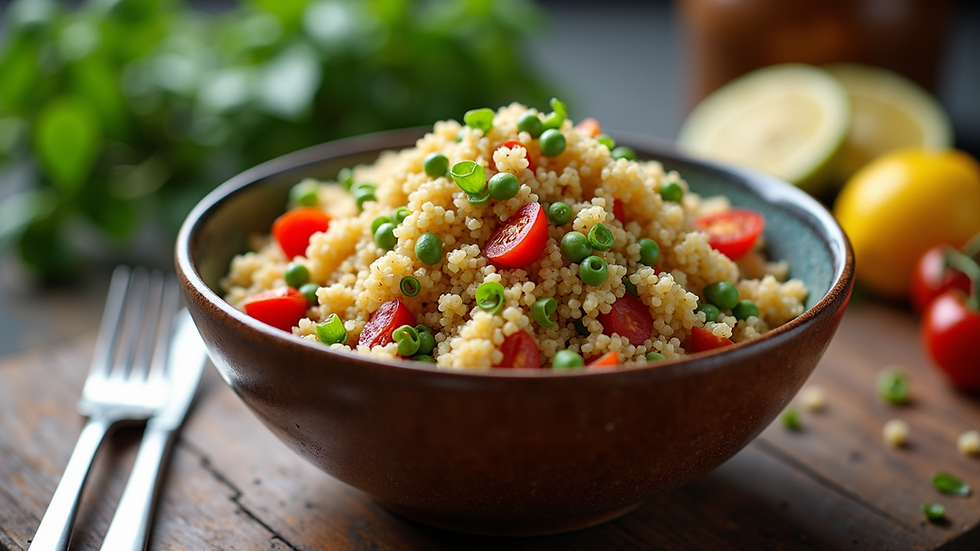
Recipe: Protein-Packed Quinoa Salad
One nutritious and protein-rich dish that is easy to whip up post-surgery is a quinoa salad, loaded with essential nutrients.
Ingredients:
1 cup quinoa
2 cups water or low-sodium vegetable broth
1 can (15 ounces) chickpeas, rinsed and drained
1 cup diced cucumber
1 cup cherry tomatoes, halved
½ cup chopped parsley
¼ cup crumbled feta cheese (optional)
3 tablespoons olive oil
Juice of 1 lemon
Salt and pepper to taste
Preparation Instructions:
Cook the Quinoa: In a saucepan, combine quinoa and water (or broth) and bring to a boil. Reduce heat to low, cover, and simmer for about 15 minutes or until water is absorbed. Fluff with a fork and let cool.
Mix the Ingredients: In a large bowl, mix the cooked quinoa, chickpeas, cucumber, cherry tomatoes, parsley, and feta cheese.
Make the Dressing: In a small bowl, whisk together olive oil, lemon juice, salt, and pepper.
Toss: Pour the dressing over the salad and gently mix to combine.
Serve: Enjoy immediately, or refrigerate for up to an hour to let the flavors blend.
Healing and Recovery: Importance of Vitamin-Rich Foods
Filling your diet with a variety of colorful fruits and vegetables can uplift your vitamin intake, essential for speeding up recovery.
Recipe: Vitamin-Rich Smoothie
A smoothie offers a quick and convenient way to get a nutrient-dense meal or snack.
Ingredients:
1 banana
1 cup spinach (fresh or frozen)
1 cup frozen berries (blueberries, strawberries, or raspberries)
1 tablespoon almond butter (or any nut butter)
1 cup almond milk (or any milk of choice)
Preparation Instructions:
Blend: Put all ingredients in a blender and mix until smooth. If necessary, adjust the consistency by adding more almond milk.
Serve: Pour into a glass for a refreshing and nutrient-packed smoothie that aids in recovery.

The Role of Fiber in Healing
Integrating fiber-rich foods into your diet can facilitate digestion and help manage common post-surgery issues like constipation.
Recipe: Lentil Soup
Lentils serve as an excellent source of fiber and protein, making them perfect for post-surgery meals.
Ingredients:
1 tablespoon olive oil
1 onion, diced
2 garlic cloves, minced
2 carrots, chopped
2 celery stalks, chopped
1 cup dry lentils, rinsed
6 cups vegetable broth
1 teaspoon thyme
Salt and pepper to taste
Preparation Instructions:
Sauté the Vegetables: Heat olive oil in a large pot over medium heat. Add onions and garlic, cooking until softened.
Add Remaining Ingredients: Combine carrots, celery, lentils, broth, thyme, salt, and pepper. Bring to a boil.
Simmer: Lower the heat and let it simmer for about 30 minutes, or until lentils are tender.
Serve: Enjoy warm, garnishing with fresh herbs if desired.
Embracing Recovery Through Nutrition
Eating healthy after surgery is vital not just for recovery, but for improving overall wellness. By prioritizing nutrient-rich foods, staying hydrated, and preparing simple meals, you can boost your healing process and emerge from surgery stronger.
The recipes provided above offer delicious and nutritious options that are easy to incorporate into your post-surgery diet. Consulting a healthcare professional or nutritionist can give you personalized advice tailored to your specific recovery needs.
Take control of your healing journey with mindful eating and pave the way for a healthier future!
Additional Tips for Post-Surgery Nutrition
Focus on Whole Foods
Incorporating whole foods into your diet is essential. Whole foods are minimally processed and rich in nutrients. They include fruits, vegetables, whole grains, lean proteins, and healthy fats. These foods provide the necessary vitamins and minerals for recovery.
Meal Planning and Preparation
Planning your meals can simplify your post-surgery nutrition. Prepare meals in advance to ensure you have healthy options readily available. Consider batch cooking and freezing meals for convenience. This approach saves time and helps you stick to your nutritional goals.
Listen to Your Body
Every recovery journey is unique. Pay attention to how your body responds to different foods. Some may be easier to digest than others. Adjust your diet based on your comfort level and energy needs.
Seek Professional Guidance
If you're unsure about your nutritional needs after surgery, consult a healthcare professional or a registered dietitian. They can provide personalized advice tailored to your specific situation.
By following these tips and incorporating the recipes shared, you can enhance your recovery process and support your overall health. Remember, healthy eating is not just about recovery; it's a lifelong commitment to well-being.


Comments